Camping Essentials
It’s your adventure. Let us help you ensure you have the right tools to be safe and comfortable in the great outdoors!
Below are some of the common items you and your Scout will need when camping with your Pack
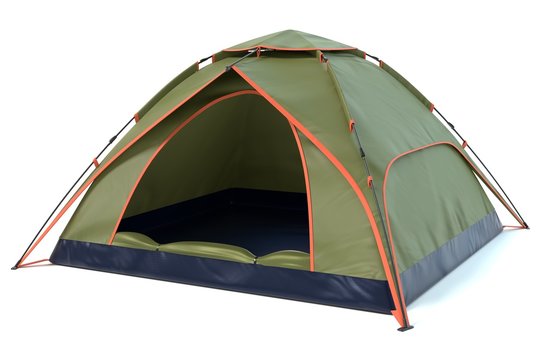
Tent (and Ground Tarp)
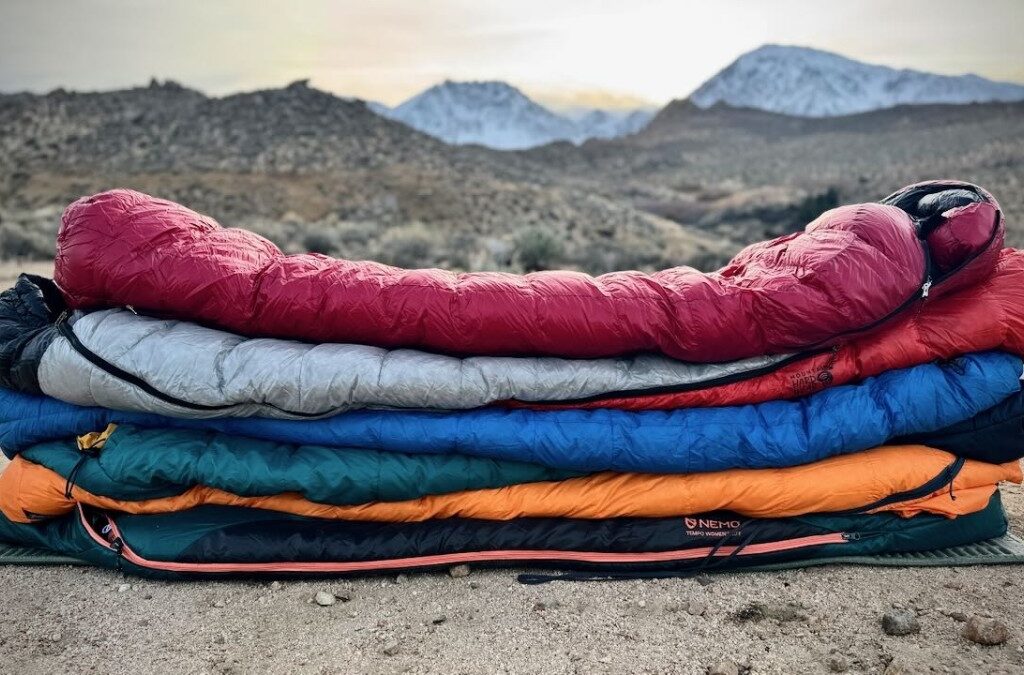
Temperature-Rated Sleeping Bag
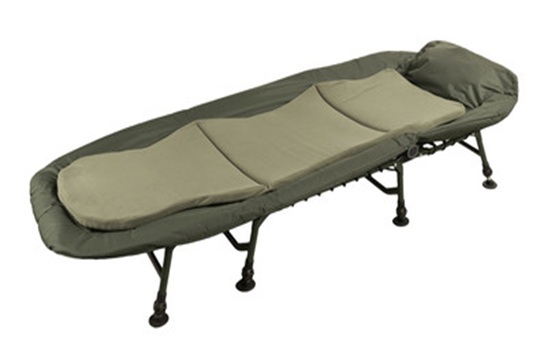
Cot / Sleeping Pad / Mattress
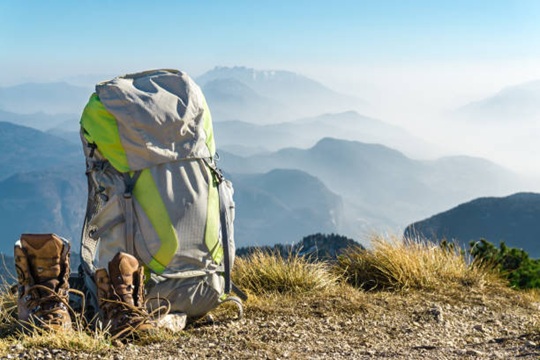
Day Pack
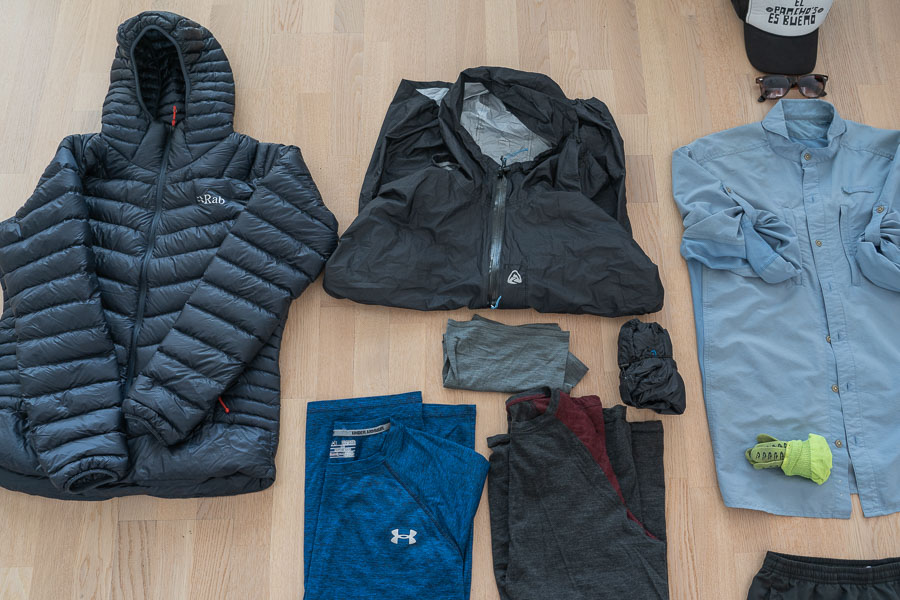
Weather / Activity-appropriate Clothes
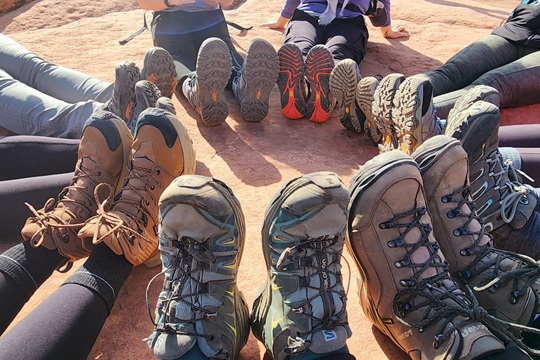
Appropriate Footwear
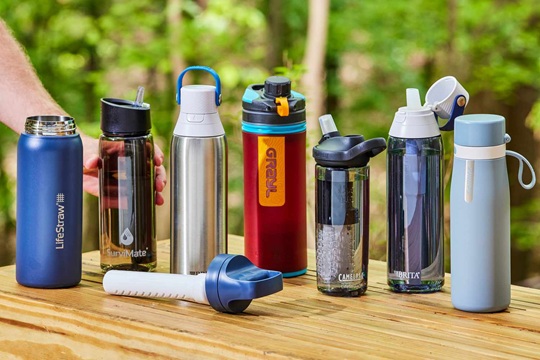
Water / Snacks
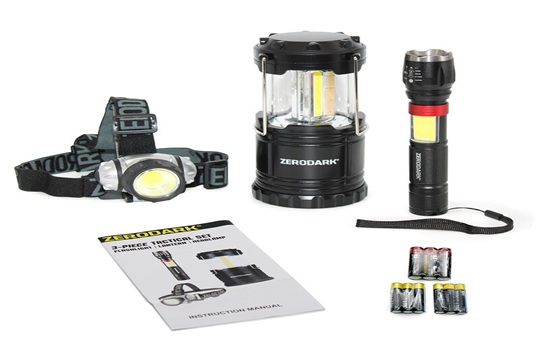
Flashlight / Lantern / Headlamp
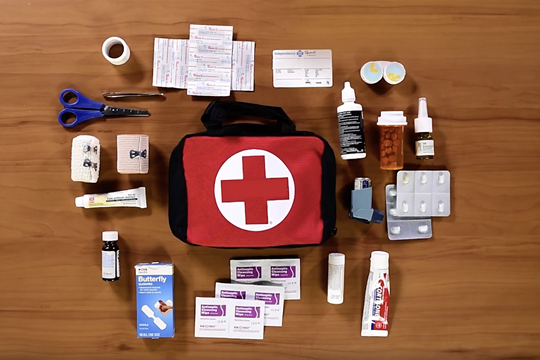
First Aid Kit
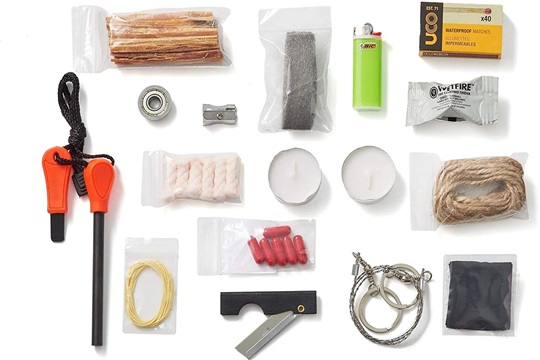
Fire Starting Kit

Completed Medical Forms
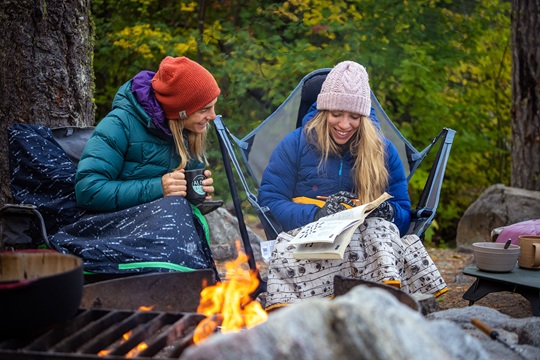
Comfort Items
Camping equipment generally falls into a series of core categories:
Shelter & Sleep
Clothing
Food / Water Prep
Personal Safety
Tools
Personal Comfort
For Cub Scouts, your list of required items remains small focusing primarily around your personal shelter (tent/tarp), sleeping items (sleeping bag and pad), appropriate clothing and footwear, and personal comfort items. There are a number of reasons for this:
- Camping in Cub Scouts is meant to be more “fun” than “work.”
- We generally only camp at established sites and remain at one location for the duration of our event. There is no need for maps, compasses, GPS’, or other navigation tools.
- Food for the group is planned in advance. Any required equipment (stoves, tools, etc.) the Pack already has and will bring.
Below are additional details of the categories identified above, as well as what to look for when making your selections.
Shelter & Sleep
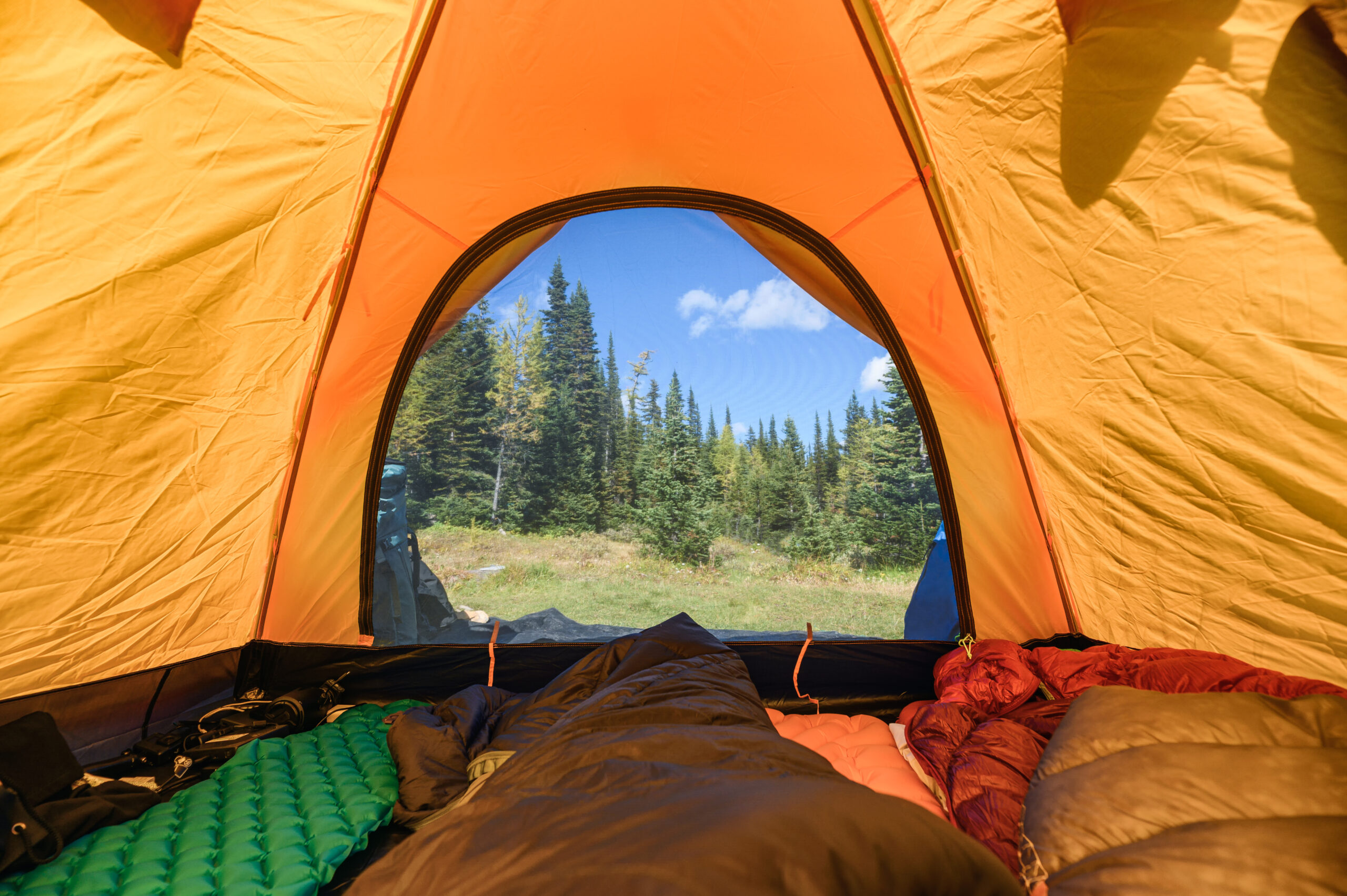
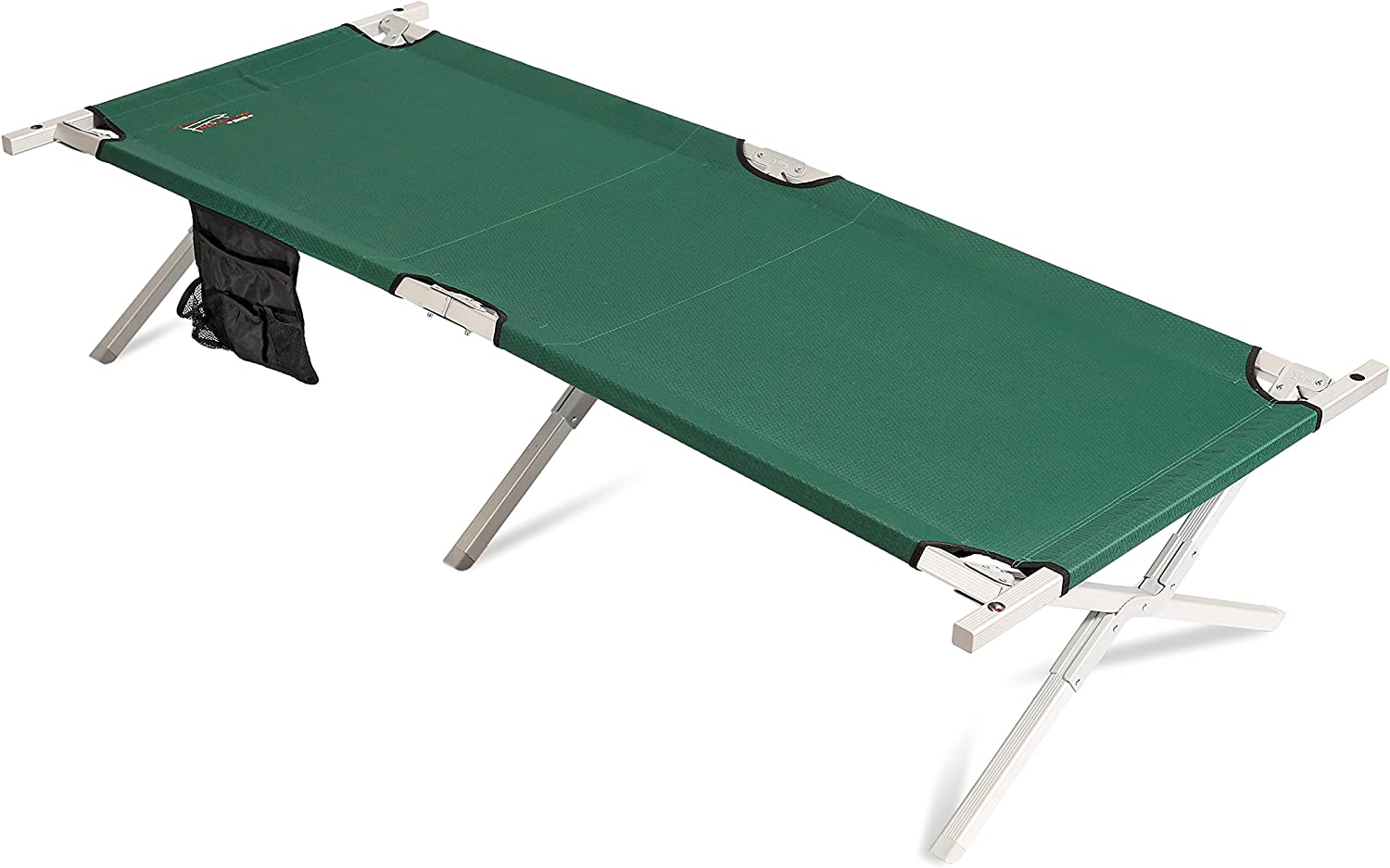
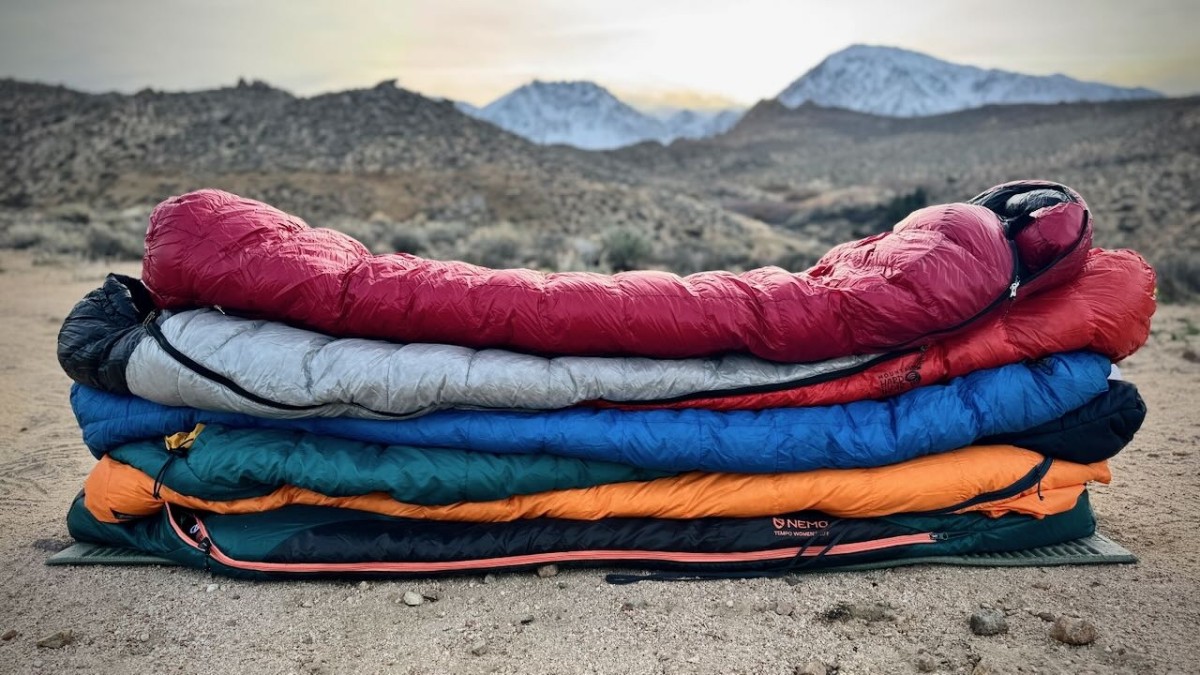
The three main items you will need (assuming we are camping under the stars instead of in a cabin) are a tent, a sleeping bag, and some form of a contact barrier between yourself and the ground. These are the three primary necessities to give you the best chance at a restful sleep.
- Tent: There are several factors when choosing a tent.
- Size: The tent should be large enough to accommodate however many are in your party (at least one Scout and one Adult). It should also be large enough to hold everything else you’ve brought with you. Also consider internal height, particularly for tall people who need headroom. You may also want a larger tent with room dividers (these can also be great to separate the sleeping area from gear storage).
- Weight: The bigger the tent, the heavier it is and more difficult it can be to set up and tear down/put away. Larger tents are also more costly. Once your Scout joins a Troop, portability will be important, especially since you may trek from one campsite to another over the course of several days.
- Tent Shape: Rectangular tents have more wind resistance due to their flat walls. If you are camping in a natural windbreak (woods) this won’t be much of an issue. But if you are camping out in the open, or on a hilltop, you may look for a dome-shaped tent. The rounded, sloped walls will allow higher winds to move around the tent rather than try to blow through it. But the sloped walls to cut into your livable space, particularly if your sleeping platform is high off the ground (cot or air mattress).
- Season Rating: Cub Scouts will generally not tent camp during the winter months, so a single family tent with a 3-season rating should be sufficient.
- Durability: You will want a tent that is waterproof, has a large enough rainfly, strong enough tent poles that won’t snap under tension, and tent stakes that won’t bend or break when you’re pounding them into the ground.
- Ventilation: You want your tent to breathe, regardless of the season, so make sure you have windows/screens. Poor ventilation encourages increased condensation, which can lead to wet conditions in your tent and foster mold/mildew growth if not properly dried/cleaned.
- Sleeping Platform: Wherever and whenever you are camping you will absolutely need an air barrier between your body and the ground. A simple contact barrier (blanket/sleeping bag/tent floor) is not enough to mitigate the loss of body heat from ground contact. And unless you want to wake up stiff and sore (if you are able to sleep at all), you will need some form of padding.
- Sleeping Pad: Sleeping pads are great options for portability, being both light easily stored in a pack. Some are collapsible egg cartons, while others are inflatable rolls. However, a larger, heavier person might still sink through to the ground.
- Cot: Cots provide great ground separation (and can provide an opportunity for efficient, space-saving storage underneath). They are significantly more cumbersome to transport than a sleeping pad. I recommend you try several before you decide on one. Ensure it is both wide enough and long enough (particular for those 6 feet or taller). Collapsible cots also lack the rigidity of a steel or wood-framed cot, and tend to sink in the middle.
- Air Mattress: Air mattresses (in my humble opinion) provide the best comfort while camping, but also require either electricity or a battery-operated pump. They are only feasible at a static campsite, as they are too large to pack between multiple sites. There are also hybrid air mattress/self-inflating pads available that provide the best of both worlds. Be sure to try your air mattress first before you pack it to ensure it stays inflated through the night. There’s nothing worse than waking up on the ground (especially in the cold and/or wet) when your air mattress has deflated during the night.
- Sleeping Bags: Sleeping bags are another essential element for any camping situation. This is one category you can’t afford to miss on.
- Rating: The temperature rating for sleeping bags is more accurate as the quality (and usually cost) of the sleeping bag increases. Remember, the lower limit rating does not mean comfort rating. A good rule of thumb for camping in the cooler months is to find a rating 20 degrees below your target range.
- Size: Sleeping bags are extremely uncomfortable when they are to small, and can be extremely frustrating when you have no room to move. Rectangular sleeping bags offer more room, while mummy bags maximize heat retention. If you are backpacking, you’ll want one that is more portable.
- Fill: Sleeping bags are generally either a synthetic (polyester) fill or down fill. Synthetics are generally cheaper, but can be bulkier and harder to pack. Down fills maximize heat retention while remaining lighter and smaller, but can be more expensive. Down fills also lose their insulating properties if they get wet, so keep them dry!
- For Cub Scouts, you’re best bet is to go with a rectangular bag (oversized for taller folks) with a synthetic (polyester) fill to maximize comfort, heat retention, and cost. An older Scout will likely need two sleeping bags for the summer and winter months, and may even consider a sleep system (lightweight sleeping bag inside a heavyweight sleeping bag inside a waterproof shell – can be costly).
Clothing
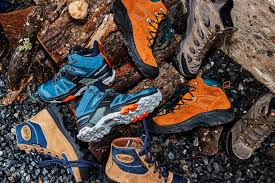
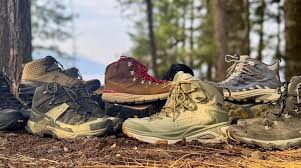
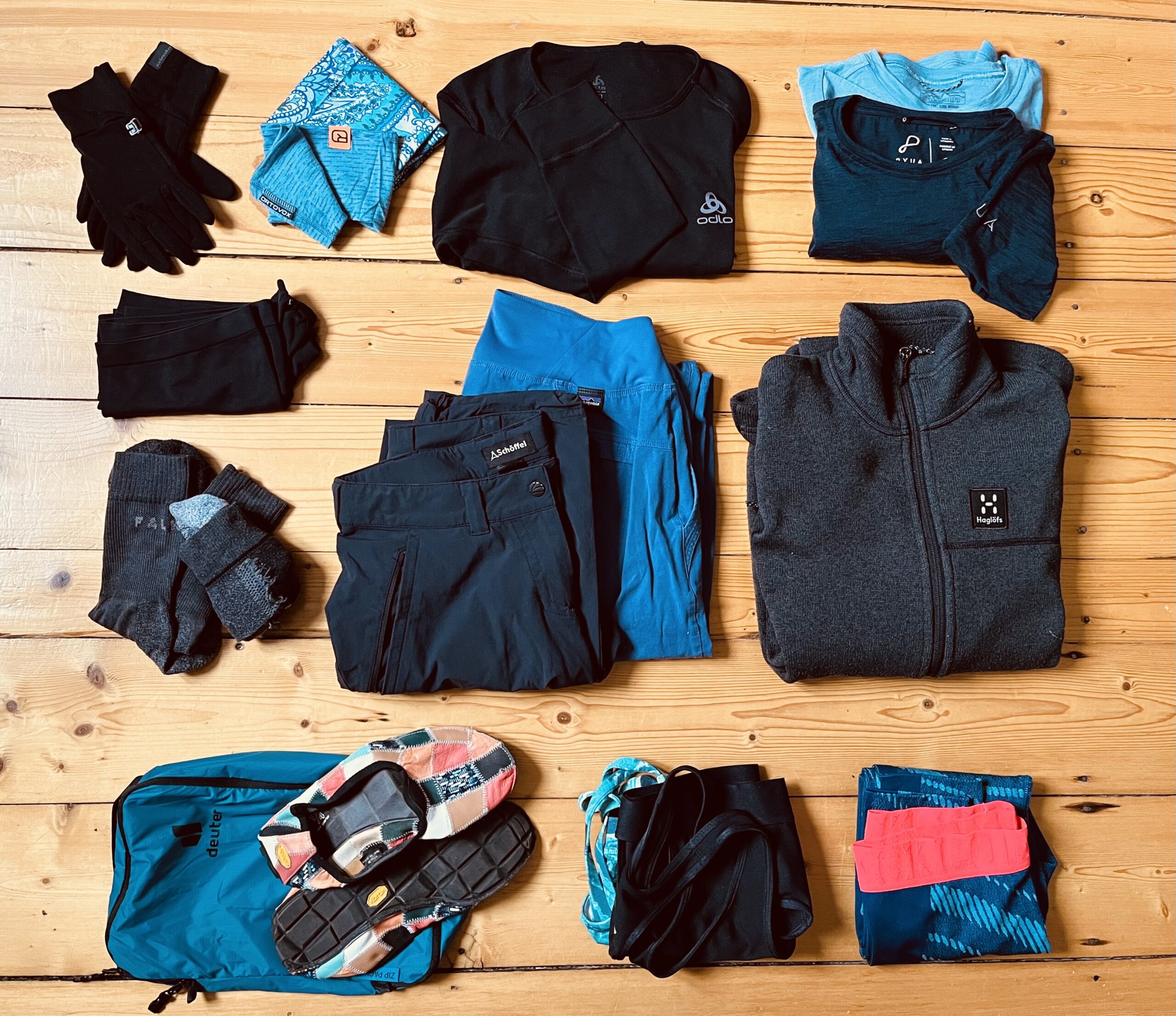
Your camp clothing is always situation-dependent. You should always pack for the activity and expected weather. But like any good Scout, you should always “Be Prepared” for the weather and/or activities to change.
- Footwear: When it comes to footwear on a camping trip, you will want a minimum of hiking boots/shoes, tennis shoes, and shower shoes.
- Hiking Boots / Shoes: What you wear here is largely dependent on your feet and the terrain. Trail shoes are great for flat, even trails in dry weather. The rougher your trails get, the more ankle support you will likely need (mid to high top). You will also want to maximize breathability (to keep your feet dry) with insulation (both for comfort and warmth).
- Tennis Shoes: Cub Scouts in particular will have more opportunity for less camp-like physical activity (sports games, running, etc.) that do not require boots. They will also need a dry pair of shoes if/when their trail shoes get soaked (inevitable).
- Shower Shoes: Sower shoes, flip flops, slides, or Crocs are always a necessity. They are a must-have when utilizing a public shower. They are also essential if you’ve been on the trail all day and your feet need some time to breathe, especially if your shoes/socks are wet.
- Clothing: There’s not a lot to say regarding clothing. Synthetics are great at drying quickly and layering while keeping weight down. Socks warrant a special mention here, as there are different requirements based on the situation. This is one area where it is always best to spend the money upfront on quality to save your feet later.
- Sock Material: Synthetic socks dry quickly, but wool socks (Merino) are an absolute must for any sustained movement along the trail. Wool is naturally antimicrobial and will not retain odors. It also helps retain heat when wet.
- Sock Cushioning: More cushion means more comfort for your feet during movement (particularly sustained activity like backpacking). But thicker cushion means warmer (sweaty) feet, which can lead to hot spots and blisters. Its best to have multiple options readily available (if you are backpacking, keep one or two pairs in an external pouch so they are easy to get to when its tie to change them).
- Sock Fit: Your socks should be snug but not restrictive. You want to prevent bunching and shifting (friction means blisters) while also not limiting circulation.
- Jackets, Hats, and Gloves: The only thing to say here is the dress for the weather. Layer when appropriate. Have a rain jacket or poncho handy in case it rains. Have both a thin and thick pair of gloves when its cold (your thinner gloves can also double as a good pair of work gloves). And since we lose most of our body heat through our head, its always best to have both a ball cap and a beanie available.
Food / Water Prep
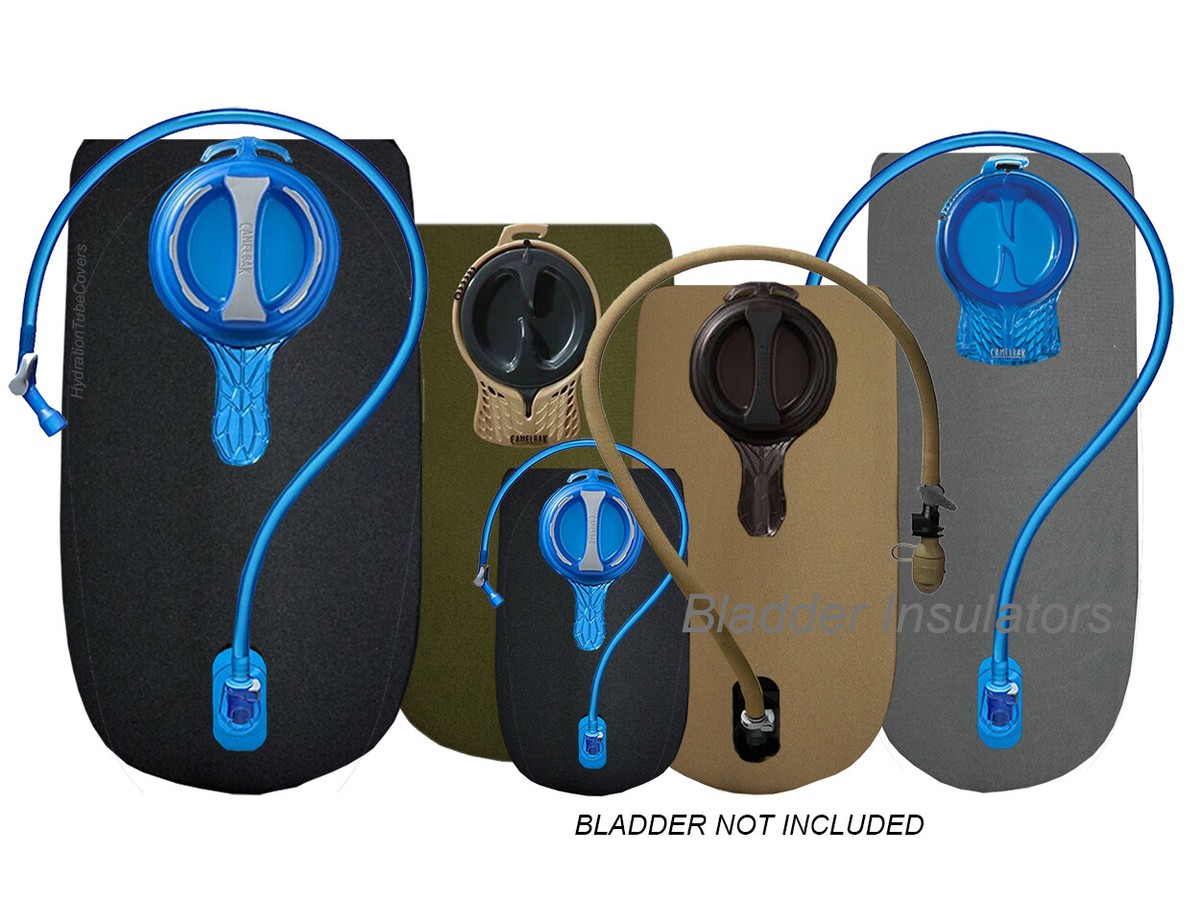
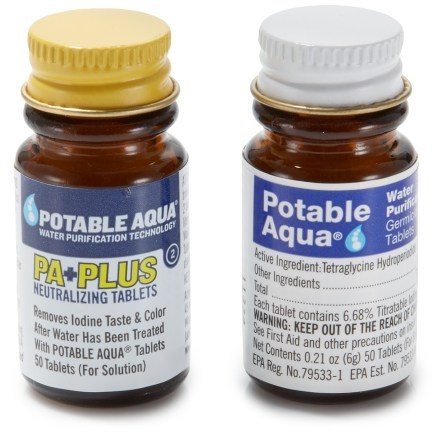
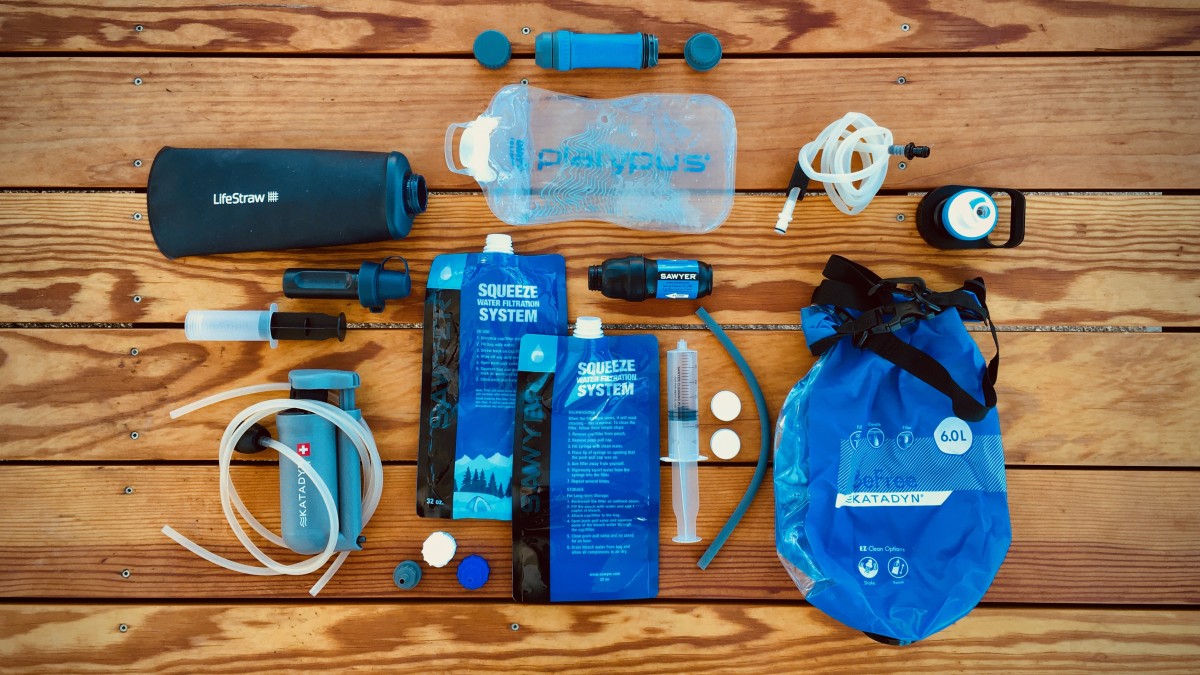
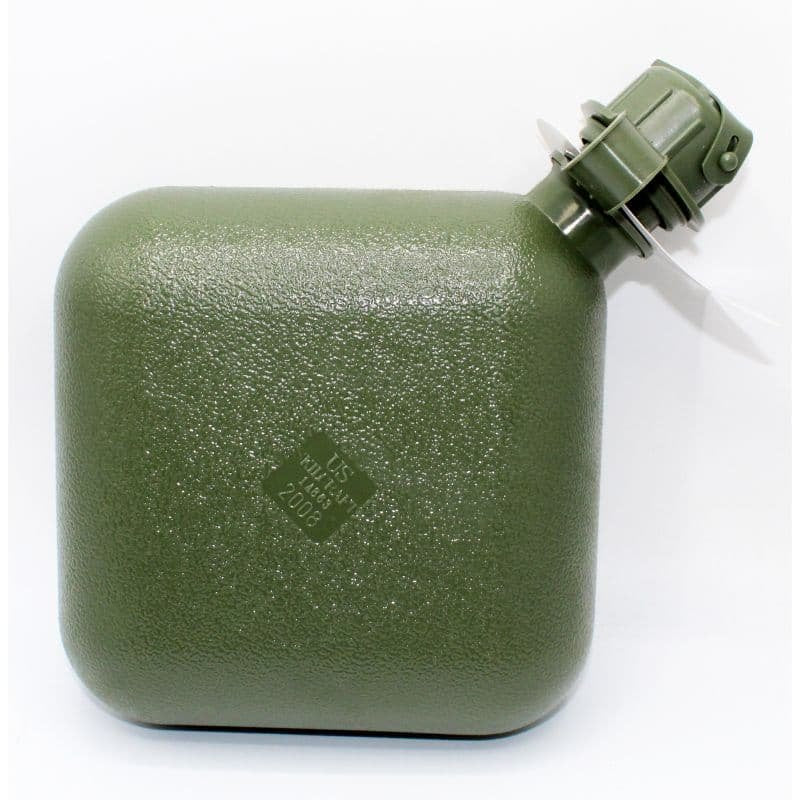
Cub Scout camping will never have a shortage of potable water and food/snacks available. Water and a snack are both part of the Six Essentials, and should always be kept close by. The Pack has all the camp kitchen items we can ever need, so don’t feel like you have to go out and get a propane burner or cast iron pot – your Pack leaders will bring it if you need it. We simply recommend bringing a refillable water container with your Scout’s name on it, snacks your Scout prefers, a cooler for your drinks, and we will take care of the rest.
For you older Scouts there are a number of items you may need, or may want to consider, especially when completing long hikes and/or backpacking trips.
- Water Bladder with Straw: There are a plethora of options when it comes to a bladder and hose (CamelBak). These are fantastic as they give you water on demand while keeping your hands free. Just remember to clean your bladder and hose regularly.
- Water Filtration Device: For Scouts who are backpacking, all you will have is whatever you pack with you when you start on the trail. After that you will have to find fresh water sources along your route (often rivers and streams). Water filtration devices are small enough to fit in your pack, but can be cumbersome to use on the go.
- Iodine Tablets: I used these quite a bit in Ranger School. They are an immensely efficient, low cost way of ensuring any water you take from the river will be free of bacteria, viruses and giardia. These are a perfect accompaniment for the next item in this list.
- 2-Quart Canteen: Can you really go backpacking without a trip to your local surplus store? 2-quart canteens are hands down one of the best ways to treat and store drinking water on the trail. Simply fill with water, add four iodine tablets, and toss it in your back. If you buy the case for it, they have external clips that can be secured to any pack that has nylon webbing or a belt (to save room in your pack). And the canteen will flatten out when not full, so it saves you space on storage.
Each Troop has a Quartermaster who is responsible for prepping and packing any kitchen items you will need. This may include items like a pot to boil water and cook food, a propane camp stove (single burner for backpacking trips), propane tanks, appropriate kitchen tools (don’t forget a can opener), mess kits (each Scout should have one), and of course your food. MREs (Meal Ready to Eat) or other freeze-dried food may not be fine dining, but they break down into packs easily, have a wide range of options, and reduce the need for additional camp equipment. Because no one wants to be responsible for carrying the cast iron pot.
Personal Safety

Safety is paramount when conducting any Scouting activities. You should always do a risk assessment as part of your planning process (doesn’t have to be formal, but should be for progressively more dangerous activities) and identify any areas of concern to be mitigated. Below are some items your are either required to have, or recommended based on the activity being done.
- Medical Forms: Every Scout camping trip, regardless of duration, requires a medical form be completed by all participants (youth and adult). Some activities also require part C (physical). Your Scout Leader should maintain a physical copy for the duration of your activity (and everyone should know where they are) should any medical emergency arise. This will ensure everyone is treated appropriately.
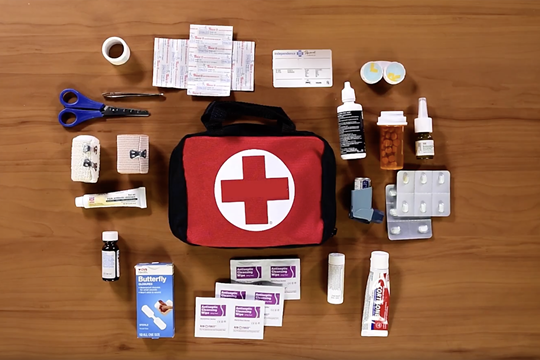
- First Aid Kit: Every Scout should have their own first aid kit with them (six essentials) and every campsite should have a robust first aid kit or first responder bag so emergency medical aid can be rendered if required. It should be readily identifiable in a location central to the campsite so it can be accessed quickly. It should be inventoried before and after every trip to ensure any items that have been used are replenished prior to the next trip.
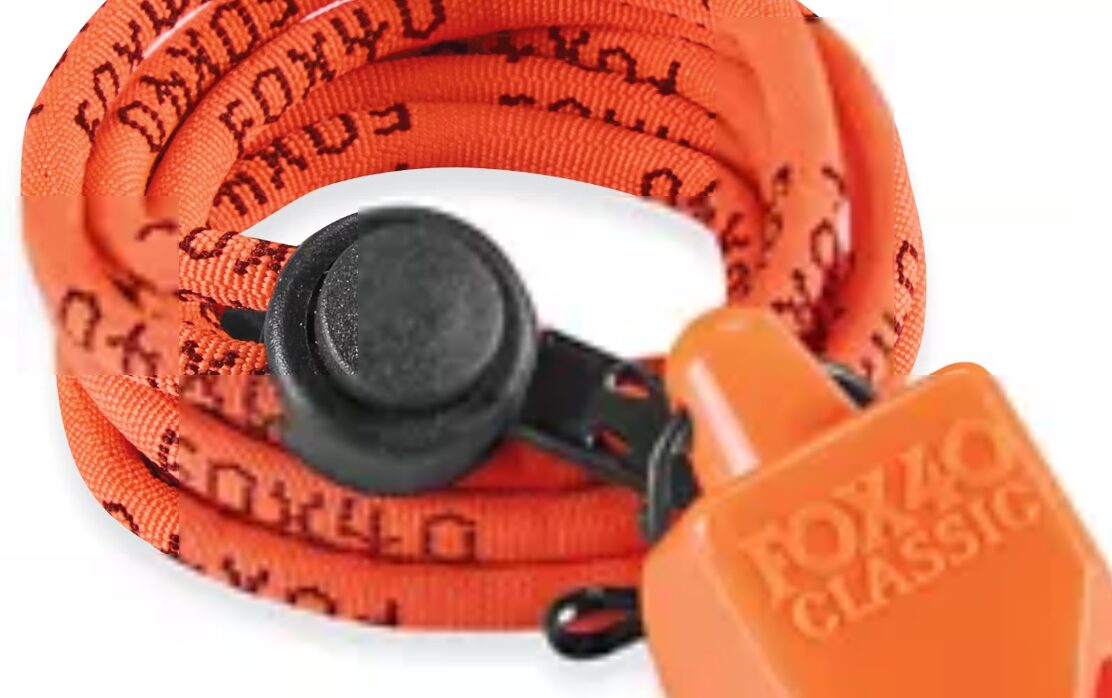
- Safety Whistle: Every Scout should have a safety whistle (six essentials) and every Troop participant should as well. This is especially important if folks have to go off-trail, or are operating in more remote places. These should be on the Scout’s person, not stored in their pack, to ensure they have it readily available if they need it.
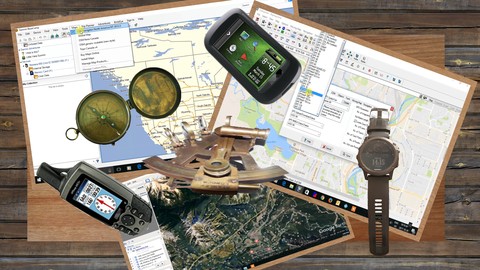
- Navigation Aids: While Cub Scouts may receive some instruction on the use of navigation tools, they are generally not a necessity during Pack camping activities. However, Troops may have need of these during several Troop activities and Merit Badge requirements. Terrain maps of your area (and the surrounding area) that show the magnetic declination (degree difference between magnetic north and true north) are always advisable (laminated when possible). A lensatic compass is also a recommended (each Scout should have one and be instructed in its proper use). Finally, when conducting long, multi-day overland movements (backpacking, treks), it is highly advisable that at least one person maintains a GPS unit with your route way points plugged in. Ensure you have extra batteries as well and that they are swapped out before each trip.
Tools
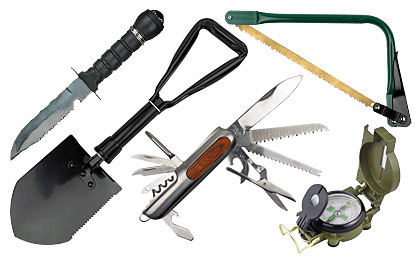
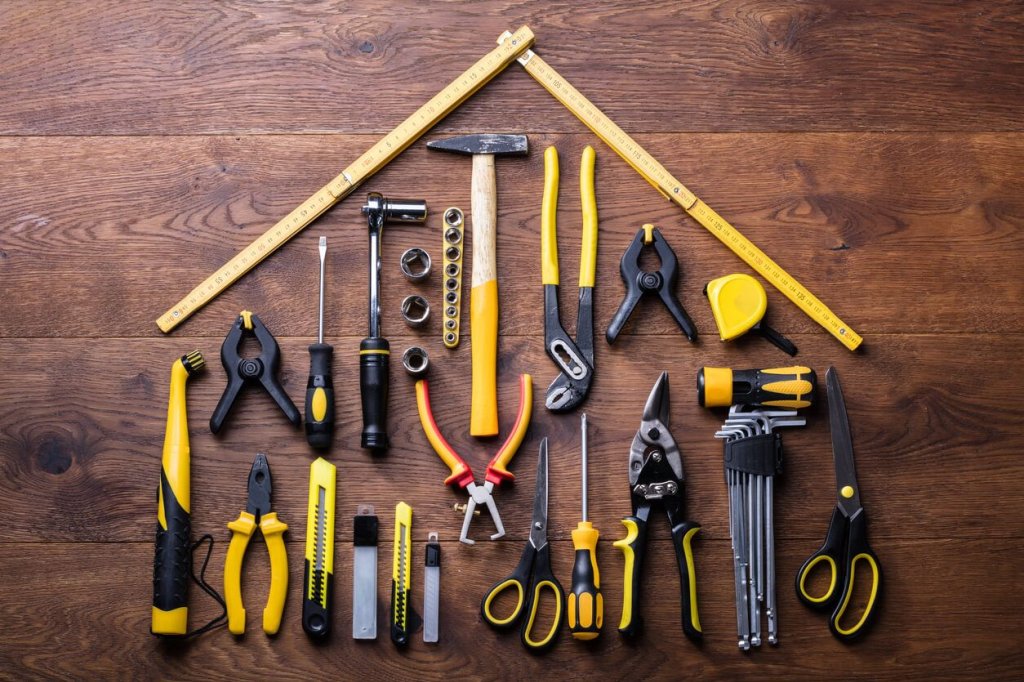
When it comes to camping tools, there are vastly more items you do not need, than items you do need. Many of these tools are prohibited to be used by Cub Scouts due to age restrictions. These can be viewed via the Age Appropriate Guidelines for Scouting Activities. Be sure to follow these guidelines when conducting any Scouting activities to ensure you remain covered under Scouting America’s insurance policy.
- Bladed Tools: These are your shovels (e-tools), saws, camp axes, knives, and multi-tools. Outside of a pocket knife (age/rank appropriate) or multi-tool, a Scout will not need their own. When needed, a unit will have these on hand.
- Fire Making Tools: A fire-building kit can contain many different items. Some of the most common items are petroleum jelly and cotton balls, firestarter bricks, cardboard egg cartons filled with dryer lint, char cloth, and flint/steel. Of note, fire building is prohibited until a Scout is a Webelo (4th grade), which is also when they begin outdoor cooking.
- Hand Tools: Use of common hand tools (hammers, screw drivers) begins once Scouts reach 2nd Grade (Wolves). The list of approved tools grows in complexity and risk as Scouts get older.
- Lighting: Tools like lanterns and headlamps are as synonymous with camping as tents and sleeping bags. There are no prohibitions on the use of lights, unless otherwise dictated by the campsite and/or lights-out rules. Headlamps are great to keep your hands free, and often come with red lens/light options to not ruin your or your buddy’s night vision. Just be sure that whatever light(s) you choose, be sure to have spare batteries (and maybe a spare flashlight as well – Cub Scouts have a keen ability to lose items that aren’t tied to them, especially at night).
Personal Comfort
Personal comfort items

© 2026 Boy Scouts of America – All Rights Reserved.